The Neighbourly Mark

A verified sign that a business is actively investing in local communities - through surplus redistribution, volunteering or financial donations - with a live record of that investment, tracked on Neighbourly.

See the companies who hold it
A Neighbourly business volunteering in the local community

The belief

Thriving businesses depend on thriving communities. The Neighbourly Mark makes that investment visible, so we can all see it, and expect it, from the businesses we buy from.

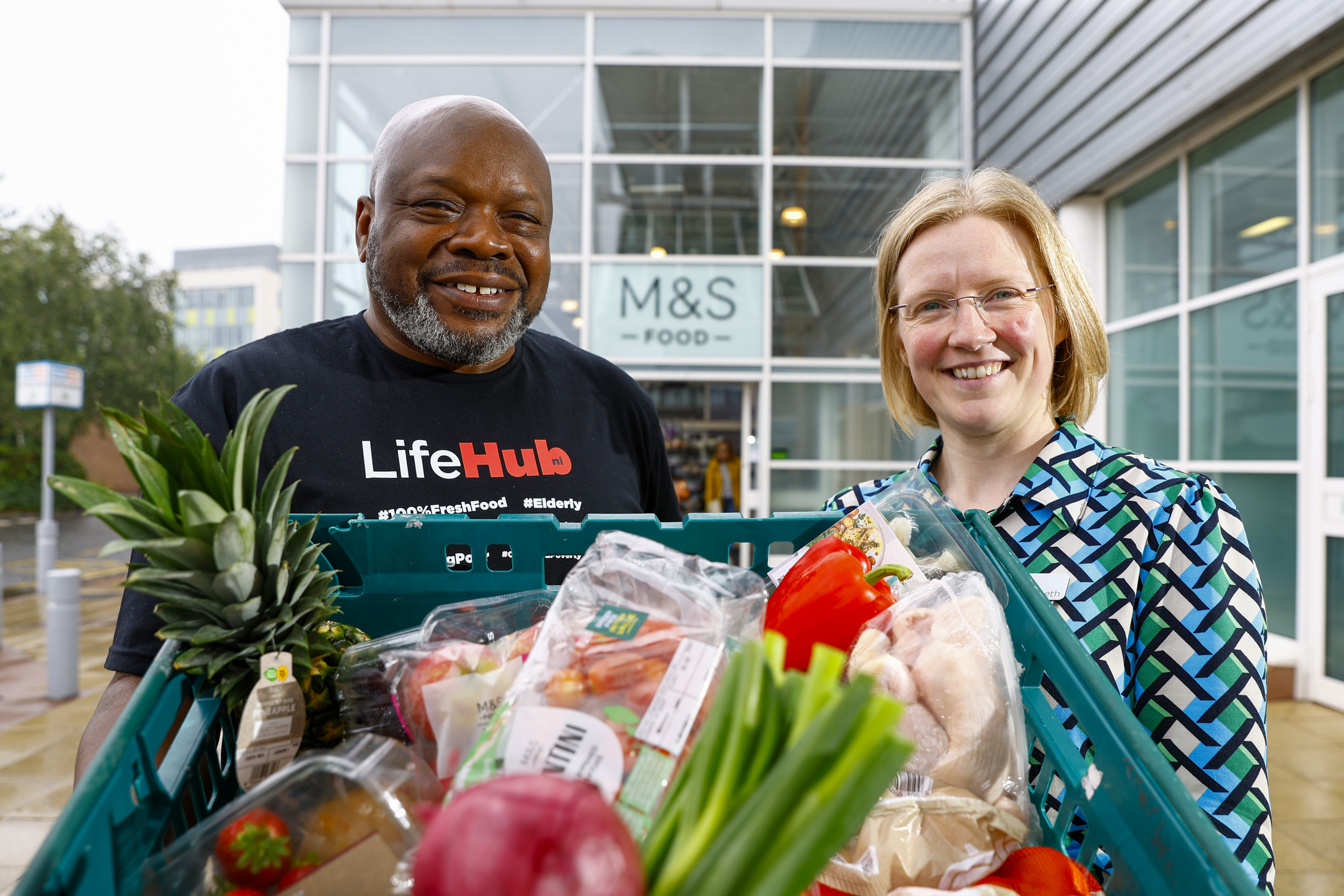
Volunteers sorting donated stock in a community warehouse
A volunteer handing over a donation box

How it works

A verified sign that a business is actively investing in local communities - through surplus redistribution, volunteering or financial donations - with a live record of that investment, tracked on Neighbourly.
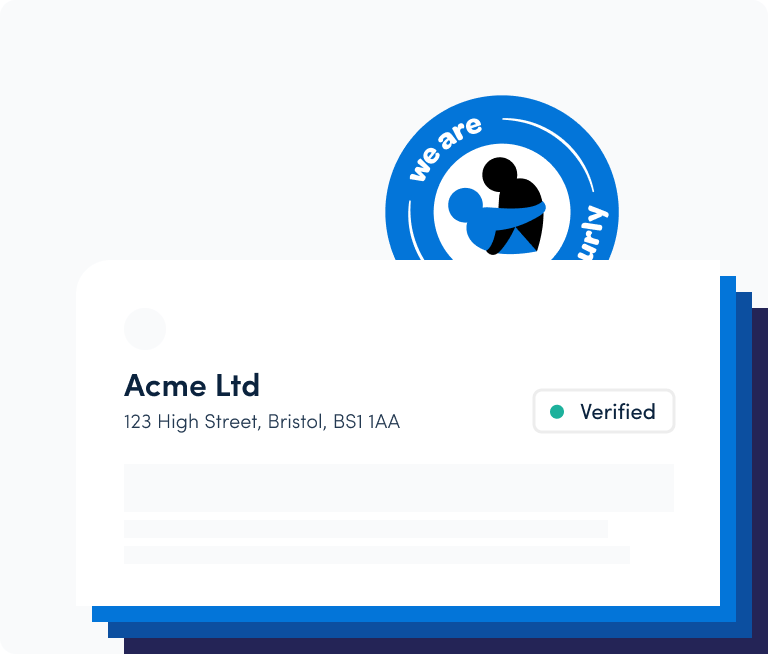
Example of a verified Neighbourly Mark company profile card
  1. Donate

    A business invests in its community - surplus, volunteering or financial donations - tracked on the Neighbourly platform.

  2. Verification

    The Mark gives reassurance that a business is genuinely invested in its community - backed by a verified record, not just a claim.

  3. Display

    The Mark is displayed where the business is encountered - in store windows, online - offering that assurance at the point of encounter.

  4. Explore

    Scan or click through to see the record: what's been given, and which local causes have received it.

Community

Who holds the Mark

See the full list of businesses investing in local communities through Neighbourly

Showing 8 companies

No companies found

We can't find any companies with the name you entered. Double check for spelling mistakes and try again.

Join the community

How to get the Mark.

Any business with verified activity logged on the Neighbourly platform — across surplus redistribution, volunteering or financial donations — within the last 12 months holds the Mark automatically.
Find out more
Verified Neighbourly badge - investing in local communities

The Mark is neutral

The Neighbourly Mark is a neutral sign of participation in community investment. It isn't a character reference, and it isn't withdrawn because of negative press or controversy.

Read our Neutrality Policy

Frequently asked questions

These are the most commonly asked questions about the Neighbourly Mark.

What is the Neighbourly Mark?

The Neighbourly Mark is a verified participation signal - a badge that makes a business's existing community investment and impact visible at the point of public encounter. It appears where customers and colleagues encounter the business, and links to a live record of that impact through the Neighbourly platform. It is conferred automatically to all Neighbourly partners that have an active impact record.

How is it different from B Corp or other accreditations?

B Corp and similar schemes are assessed accreditations - a business applies, is evaluated against a standard, and is certified. The Neighbourly Mark is not an assessment. It's a record of activity: conferred automatically, and current only while the activity continues. The two can sit alongside each other - a certified B Corp company displaying the Neighbourly Mark is demonstrating in real time the community commitment its B Corp certification demands of it.

How are local initiatives chosen for support by businesses?

Any charity or community organisation can apply to join the Neighbourly network, subject to vetting. Once in the network, they can apply for grants, receive volunteering support, or receive surplus from local businesses. Companies work with Neighbourly to identify charities and causes that match their community investment priorities and locations. The good causes on a business's Neighbourly page are ones that have been connected to or actively supported by that business.

How is it awarded?

The Mark is conferred automatically on partners who meet the activity threshold (community investment through the Neighbourly platform within the previous 12 months).

How much does it cost?

The Mark is included for Neighbourly partners that are delivering community impact through the platform. Wider campaign activation - physical assets, in-store materials, PR support - is available on request and may involve additional production costs depending on scope.

Is the data self-declared?

No. Activity behind the Neighbourly Mark is recorded on the Neighbourly platform as it happens - not declared by the business. Surplus redistribution is tracked from store write-down to good cause collection - data that has passed Deloitte and EY audit. Financial donations and grants are processed through the platform. Volunteering is scheduled, recorded and managed through the platform. Every good cause in the network is vetted against Charity Commission, Companies House and Food Standards Agency records. The activity behind the Mark isn't claimed by a business and then checked by Neighbourly. It happens through the platform, the record is public and anyone can see it.

Is this pay-to-play?

Businesses pay Neighbourly to deliver their community investment - to redistribute surplus products, facilitate employee volunteering, and manage grants, fundraising and financial donation programmes. The Mark recognises that this investment is real and happening. Payment funds the activity; the platform records it; the Mark makes the record visible. There is no version of the Neighbourly Mark without delivery behind it.

How does a company lose the Mark?

A business that records no verified activity within a 12-month window is notified in writing. If activity resumes within a 90 day period, no change is made to their Neighbourly Mark status. If activity doesn't resume, the Mark is removed from the company’s profile on Neighbourly and their business name is removed from the Neighbourly Mark’s public directory.

What can a Neighbourly partner say about the Mark?

A partner can say their business holds the Neighbourly Mark, that it represents their verified record of community investment and impact through Neighbourly, and that customers can follow links to see that record in more detail. They should follow the Do/Don't guidance in their activation pack.

What about community investment that happens outside the Neighbourly platform?

The Neighbourly Mark doesn't include this. Many businesses support communities in ways that don’t touch the platform: local sponsorships, staff fundraising, partnerships with national charities. The Neighbourly Mark stands for a record that's tracked and visible on the Neighbourly platform.

What does ‘Verified Neighbourly’ mean?

Verified means something has been checked, proven, or confirmed as true, accurate, or genuine. Activity behind the Neighbourly Mark is recorded on the Neighbourly platform as it happens in real time - whether it’s a product or financial donation, or volunteer time. It’s not self-declared by the business that holds the Mark.

Why is the Neighbourly Mark a good thing for businesses?

The Neighbourly Mark makes community investment and impact visible at the point of consumer or colleague encounter - shifting consumer and stakeholder perception, and turning activity into something the public can see and respond to. Businesses displaying the Neighbourly Mark acquire a shorthand to showcase and evidence the investment they are making into local communities, giving their customers and employees confidence in their values.

Who can hold the Mark?

Any active Neighbourly partners that are delivering verified community investment and impact activity - across product surplus redistribution, employee volunteering or financial donations - within a rolling 12-month window holds the Mark automatically. There is no application process, no assessment and no scoring against other businesses.

Does holding the Mark commit a company to anything beyond their existing Neighbourly activity?

No, the Mark simply reflects what they're already doing. There is no additional reporting obligation, no assessment process, and no requirement to increase activity in order to hold it.

How do partners activate it?

Neighbourly Partners can display the digital Mark on their website and owned channels, physically in stores, offices or branches, and reference it in communications and PR. An activation pack - including approved logo files, usage guidance, suggested copy and social templates - is available.

Does the Neighbourly Mark put any new data into the public domain that isn't already available?

No, the Mark only surfaces impact data which has always been available through Neighbourly’s public-facing company and campaign pages.

How does a company keep the Neighbourly Mark?

By continuing to deliver verified community investment activity through Neighbourly. The threshold is at least one verified activity across surplus redistribution, employee volunteering, grants or giving within a rolling 12-month window. Activity is reviewed monthly.

What if a Mark holder is hit by a scandal or negative press coverage?

The Neighbourly Mark is not withdrawn on the basis of external events. It records community participation, not overall conduct. As long as verified activity continues to happen, the Neighbourly Mark stands. This policy applies equally to every holder. See our Neutrality Policy for more detail.

What can't a partner say?

They cannot claim the Mark means they have been independently audited as a whole company. They should not describe it as a ranking. They should not describe it as a charity partnership - it's a record of activity across one or several types of community investment. They should not suggest the Mark means the business is beyond criticism.

If every active partner gets it, what does it actually mean?

The Neighbourly Mark simply means the business has a verified record of investing in local communities, and that record can be seen. The Mark doesn't rank businesses or judge how much is enough - it makes local community investment and impact visible. Most people have no idea which businesses invest in their community and which don't. The Mark puts that information where people can see it, so that community investment becomes something consumers notice, and in time expect.